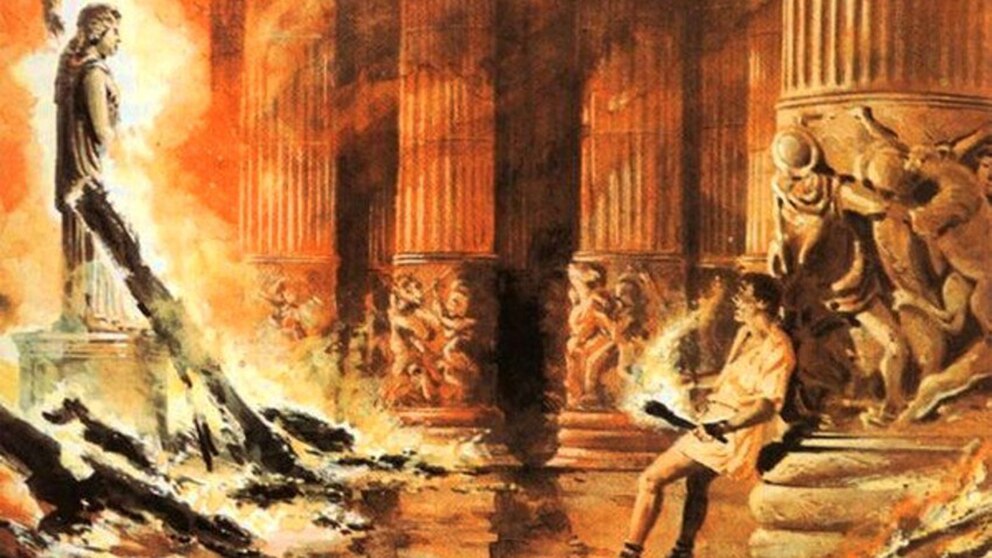
The story of Erostratus, a young Greek from the 4th century BC, is an extreme example of the pursuit of recognition and fame. In the year 356 BC, Erostratus burned the Temple of Artemis in Ephesus, considered one of the Seven Wonders of the Ancient World. His goal was to immortality and be remembered by posterity. Although his action was condemned and it was forbidden to mention his name, the effect was the opposite: his name has persisted throughout the centuries. The teaching of this story is that the pursuit of fame at any price can lead to destructive and questionable actions. The "Erostratus Complex" refers to this pathological need for recognition, highlighting the risks of seeking fame without considering the consequences.